1925 Silent Film Marks Screen Legend Paul Robeson’s Cinematic Debut
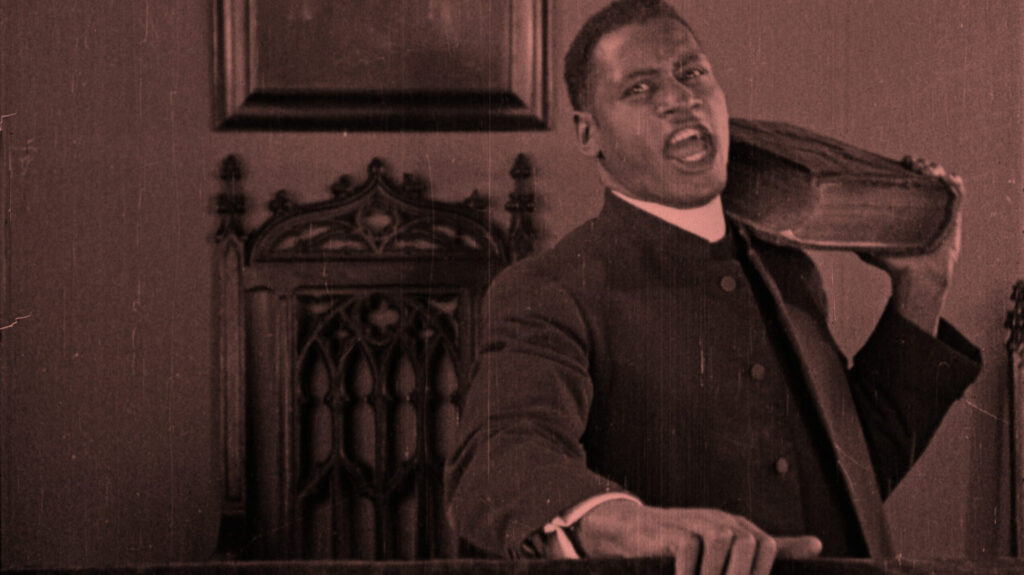
To commemorate Black History Month, on Saturday, February 21, at 1:30 p.m., the Norman Studios Silent Film Museum will screen pioneering African American director Oscar Micheaux’s 1925 feature film Body and Soul. This unique motion picture is included on the Library of Congress National Film Registry and features the motion picture debut of acclaimed actor Paul Robeson. With live musical accompaniment by Tony Steve, this special event will take place in the Rita Reagan Set Building located at 6360 Commerce Street, behind the museum’s main building at 6337 Arlington Road in Jacksonville. Prior to the screening, the museum will be open from 11:00 a.m. to 1:00 p.m. A suggested donation of $10 is requested to attend, with registration available at:
https://normanstudios.wildapricot.org/event-6541866
“Body and Soul” remains one of the most powerful surviving works of the silent film era. The film tells the story of a small-town woman and her mother who fall under the influence of a charismatic but deeply corrupt preacher—both roles portrayed by Robeson in a remarkable dual performance. Through its dramatic storytelling, the film confronts issues of faith, hypocrisy, exploitation, and resilience within the Black community. At a time when Hollywood largely marginalized or stereotyped African American characters, Micheaux created complex, morally layered narratives that spoke directly to Black audiences.
Oscar Micheaux was one of the most prolific independent filmmakers of the early 20th century and widely regarded as the first major African American feature filmmaker. Between 1919 and 1948, he wrote, produced, and directed more than 40 films outside the Hollywood studio system. Working during the era of Jim Crow segregation, Micheaux used cinema as a platform to challenge racist depictions common in mainstream films and to present stories of ambition, injustice, and social mobility. His films were often shown in segregated theaters and Black-owned venues, forming a vital part of what became known as “race films”—productions made for African American audiences during segregation.
“Body and Soul” is also historically significant for launching the screen career of Paul Robeson, who would go on to become one of the most influential artists and activists of the 20th century. Robeson was not only a gifted actor but also a celebrated bass-baritone singer, scholar, and civil rights advocate. After this film debut, he achieved international acclaim on stage and screen, including his iconic portrayal of Othello. Throughout his life, Robeson used his platform to advocate for racial equality and human rights, even at great personal cost during the McCarthy era.
The film’s inclusion in the National Film Registry underscores its enduring cultural, historical, and artistic importance. Today, “Body and Soul” offers modern audiences an opportunity to experience early Black independent filmmaking at its boldest and most uncompromising. Seen in the historic surroundings of Norman Studios—one of the few surviving silent-era studios dedicated to producing films with African American casts—this screening provides both cinematic and local historical resonance for Jacksonville.
This special Black History Month presentation not only celebrates a landmark film but also honors the legacy of artists who reshaped American cinema. Attendees are encouraged to arrive early to tour the museum and explore exhibits highlighting the rich heritage of silent filmmaking and African American film history.